 What's On HK


 Eat & Drink
 Travel
 Style
Style
 Beauty
 Health & Wellness


 Home & Decor



 Lifestyle

 Weddings

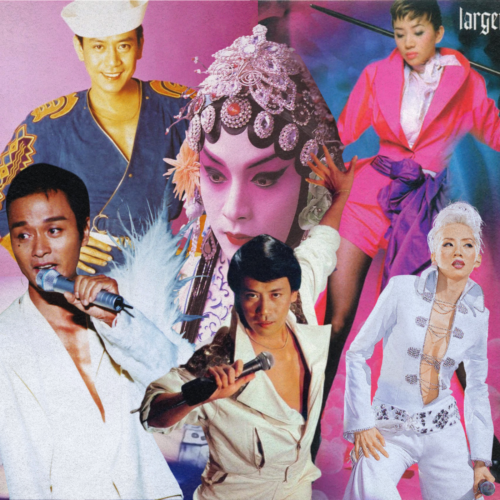
From subversive stage wear to coded pop anthems, these are the artists who brought pride to the Hong Kong mainstream.
Hong Kong doesn’t always get credit as a major queer cultural hub, but if you look at the city’s pop history, the reality may surprise you. Hong Kong’s entertainment golden era was incredibly fluid. Long before representation became a corporate buzzword, local stars were already using camp, cinema and wild stage gear to mess with traditional gender roles in front of mainstream audiences.
To map out how deep these roots actually go, we sat down with local creative director and DJ SAMO. He talked us through seven icons who broke the rules of local entertainment and helped lay the foundation for Hong Kong’s queer scene today.
Read More: A Non-Binary Hong Konger Talks Top Surgery
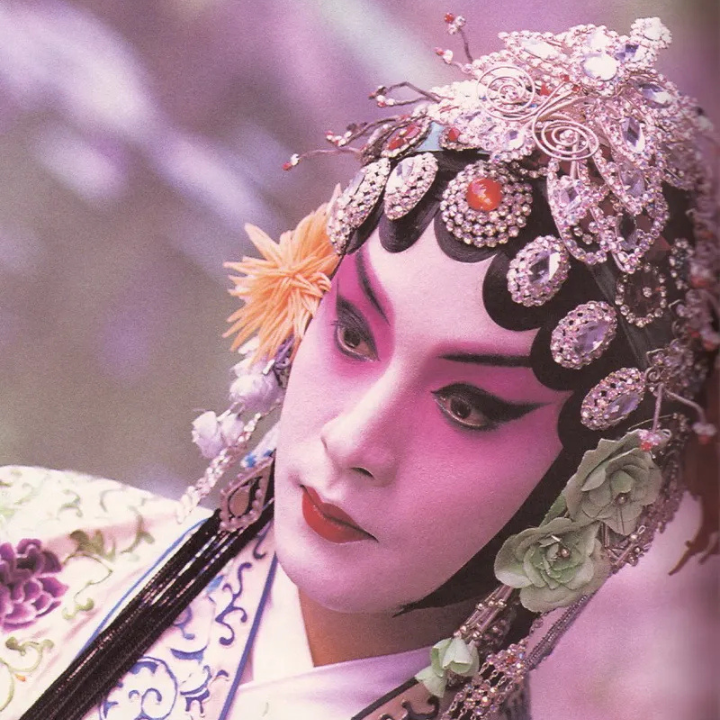
Leslie Cheung (張國榮)
Known as “Gor Gor” (Older Brother), Leslie Cheung was a titan of Cantopop and cinema, anchoring definitive queer films like Farewell My Concubine and Happy Together. In 1997, midway through a concert at the Hong Kong Coliseum, Cheung dedicated a love song to his mother and his long-time partner, Daffy Tong, introducing his relationship to the public at a time when homosexuality was still heavily stigmatised.
Cheung brought high-fashion androgyny directly to the mainstream. He famously performed in high-heeled red pumps and a Jean Paul Gaultier-designed wardrobe during his 2000 Passion Tour, a stunt for which he faced ample backlash. In 2003, Cheung tragically took his own life, but he remains an idol within both the straight and LGBTQ+ community.
Read More: Essential Hong Kong Films — Classics & Cult Favourites
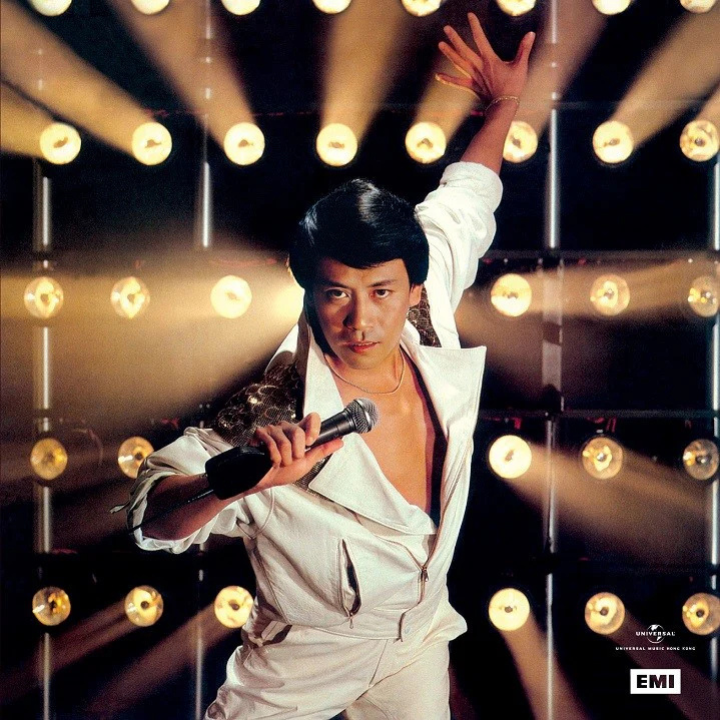
Roman Tam (羅文)
Hailed as the “Grandfather of Cantopop”, Roman Tam rose to fame during the 1970s for his precise operatic vocals and dramatic flair. He never publicly commented on his sexuality, keeping his personal life behind closed doors in line with the privacy standards of his era, but his stage persona spoke volumes.
Tam brought theatrical camp into Hong Kong living rooms via television. Before drag aesthetics filtered into global pop, he was performing in towering feather boas, heavy sequins, makeup and sheer fabrics. His styling proved that masculinity can be soft, glamorous and over the top, laying down the visual blueprint for future eccentrics.
Read More: Your Guide To Pronouns — What Are Gender Identity Terms?
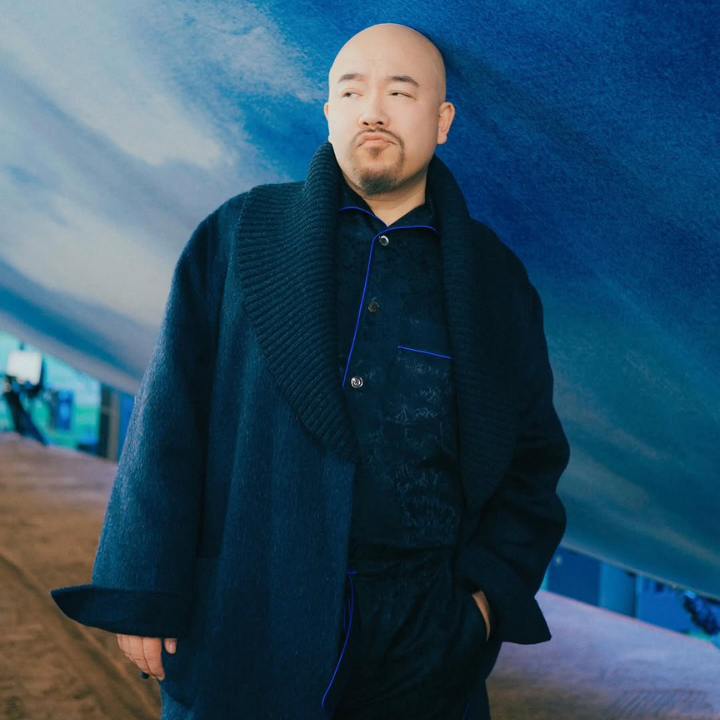
Wyman Wong (黃偉文)
Wyman Wong is one of the most celebrated lyricists in Cantopop history, having penned thousands of hits for the industry’s biggest stars over the last three decades. Outside the recording studio, Wong is a prominent fashion commentator, actor and one of the few high-profile creative figures in the industry to live openly as a gay man.
Wong’s lyrics has frequently sneaked themes of hidden identity, social exclusion and marginalised love into radio-friendly pop hits. Tracks like “The Boy in the Bright Blue Shirt” (藍色大門) continue to give listeners a rare sense of representation, while Wong’s personal style remains subversive to conventional menswear.
Read More: Best LGBTQ+ Bars & Clubs In Hong Kong
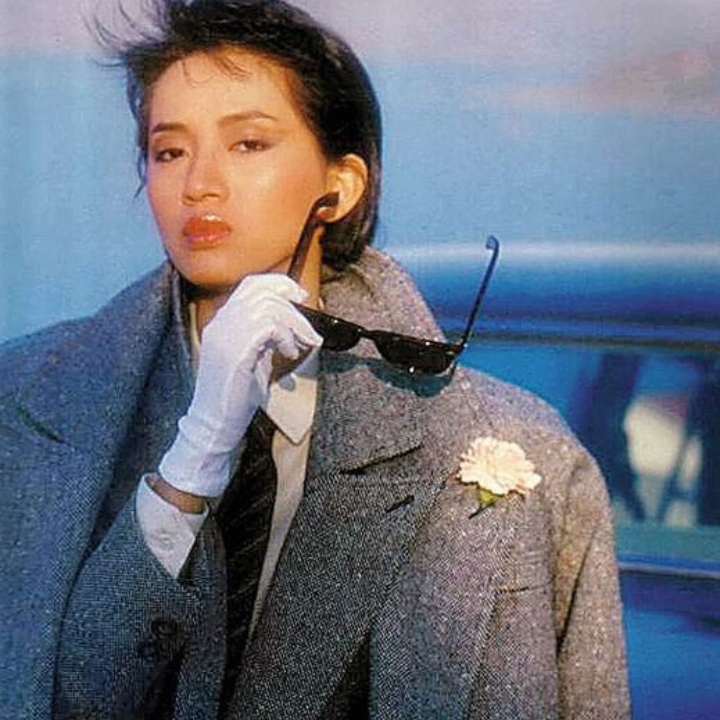
Anita Mui (梅艷芳)
Dubbed the “Madonna of the East”, Anita Mui was a towering singer and actress who defined the 1980s music scene. Known for her low, smokey contralto voice and ever-changing style, Mui was a fierce ally who consistently used her industry clout to shield and support her queer peers.
Mui rejected the sweet, passive image often expected of female Cantopop singers by leaning into a sharp, androgynous look (see the outfit of her 1985 hit “Bad Girl”!). She routinely performed in men’s tailored suits, slicked-back hair and costumes that challenged the male gaze. Her close ties to Leslie Cheung and her active mentorship of younger, non-conforming artists made her a foundational figure for the local community.
Read More: Quarks Co-Founder Liam Mak On Advocating For Trans Youth
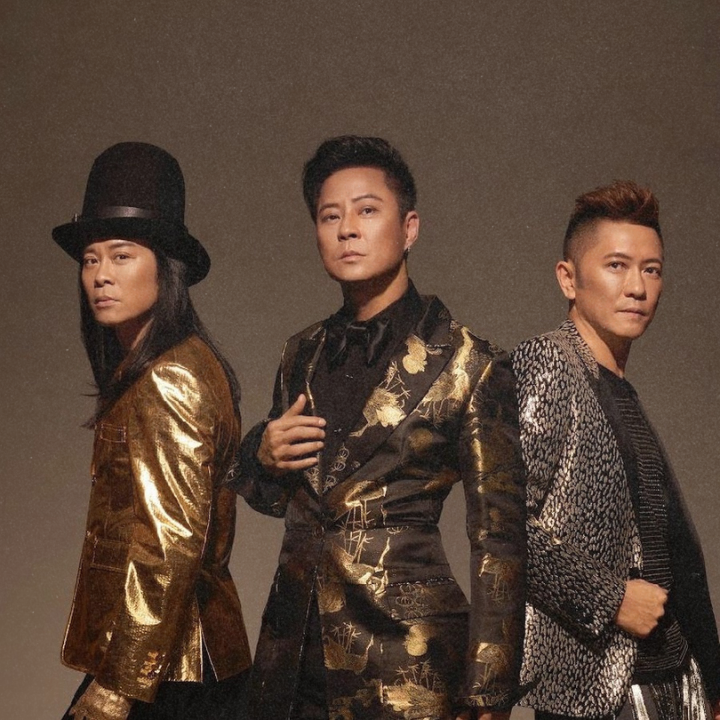
Grasshopper (草蜢)
Formed in 1985 under the wing of Anita Mui, the trio Grasshopper — brothers Calvin and Remus Choy, along with Edmond So — became one of the most successful dance-pop groups in Cantopop history. During their 1990s heyday, Grasshopper’s career was defined by high-energy choreography and a heavy dose of disco-glam and gender-bending fashion on stage. They refused to dress like the average boyband, instead performing in corsets, fishnets, skirts and striking avant-garde outfits.
Read More: “Know Who You Are Is Valid” — Courtney Act On Her Drag Journey
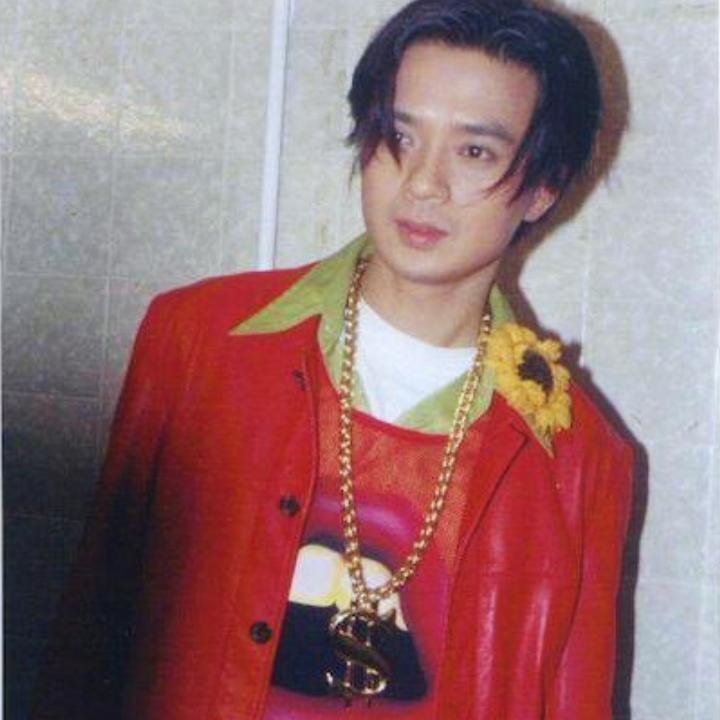
Anthony Wong Yiu-ming (黃耀明)
As the vocalist for the influential 1980s electronic duo Tat Ming Pair, Anthony Wong has been a fixture in Hong Kong’s alternative music scene for decades. Known for incorporating dark, political and queer themes into synth-pop, Wong formally came out on stage in 2012 during a concert series at the Hong Kong Coliseum.
Shortly after coming out, Wong also co-founded the Big Love Alliance to advocate for LGBTQ+ rights and representation in Hong Kong. Decades before that, his 1988 track “Forbidden Colors” (禁色) served as an anthem for local queer people navigating existing social codes.
Read More: Inclusive Spaces & Communities In Hong Kong
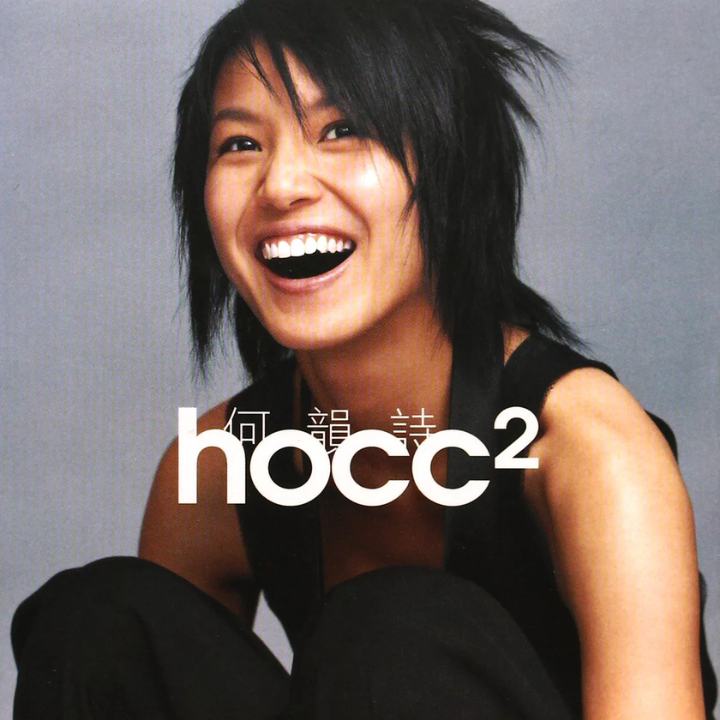
Denise Ho (何韻詩 / HOCC)
A singer-songwriter who got her start as the final apprentice of Anita Mui, Denise Ho built a successful career on guitar-driven pop-rock and a distinctly non-traditional style. In 2012, she became the first high-profile, mainstream female celebrity in Hong Kong to publicly come out as a lesbian when she announced it at the city’s Pride Parade.
Ho bypassed the pop-star playbook by swapping typical feminine styling for sharp tailoring and short, cropped hair. By using her public platform to advocate for LGBTQ+ visibility and human rights, she shifted the conversation from coded lyrics to direct advocacy, using her platform to support a new generation of queer Hongkongers.
Read More: Chef May Chow Gets Candid About Her LGBTQ+ Advocacy